Skip to content
What I eat in a day for healthy weight loss includes balanced, nutrient-rich meals that support fat loss while keeping energy levels high.
Healthy weight loss isn’t just about cutting calories. It’s about making sustainable eating habits a part of your life. A good meal plan can help you stay on track and reach your goals.

A balanced diet for weight loss means eating foods rich in nutrients, controlling portions, and eating fewer calories. Adding a variety of whole foods to your diet helps you create a meal plan that’s both tasty and effective.
Meal planning is essential for losing weight. It saves time, reduces stress, and makes sure you eat the right foods. By planning your meals ahead, you can stick to your goals and make healthy eating a lasting part of your life.
Key Takeaways
- Eat nutrient-dense foods to support weight loss
- Plan your meals in advance to reduce decision fatigue
- A balanced diet with a calorie deficit is key for weight loss
- Incorporate a variety of whole foods into your meal plan
- Healthy eating habits lead to sustainable weight loss
My Sustainable Approach to Weight Loss Through Nutrition
Sustainable weight loss starts with knowing about nutrition and sticking to healthy eating habits. It’s about making a diet that helps you lose weight and stay healthy.
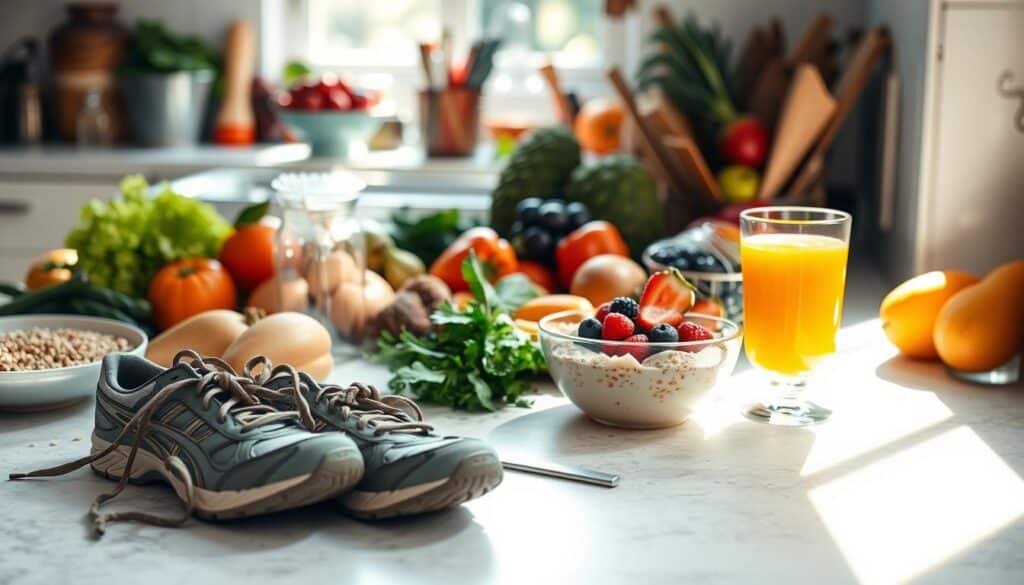
A good weight loss meal plan is key to finding this balance. It means choosing foods that give you the nutrients you need for health.
The Science Behind My Eating Plan
The science of an effective weight loss diet is about how nutrients affect hunger and metabolism. Eating foods high in protein, fiber, and healthy fats can control hunger and speed up metabolism. This leads to lasting weight loss.
By picking nutritious food choices, you can eat fewer calories without feeling like you’re missing out. This is important for keeping weight off for good.
Setting Realistic Expectations
Setting realistic expectations is key to staying motivated and losing weight for good. Remember, losing weight is a journey that takes time, effort, and dedication.
Choosing a sustainable eating plan helps you succeed and keep your weight off for a long time.
What I Eat in a Day for Healthy Weight Loss: Core Principles
My weight loss journey is based on key principles. These ensure I’m well-nourished while losing weight. It’s not just about cutting calories. It’s about eating in a way that’s sustainable and balanced.
Calorie Deficit Without Deprivation
Creating a calorie deficit is key for weight loss. But it doesn’t mean you have to feel deprived. I choose low-calorie meal ideas that are full of nutrients. For example, I eat salads with lean proteins and veggies.
This way, I’m not hungry and I’m eating fewer calories.
Balancing Macronutrients for Satiety
Balancing macronutrients is important for feeling full. My diet has proteins, healthy fats, and complex carbs. For instance, Greek yogurt with berries and nuts is a great mix.
It keeps me full until my next meal.
Focusing on Nutrient Density
Focusing on nutrient-dense foods is a key principle. Foods like leafy greens, lean proteins, and whole grains are packed with vitamins and minerals. They don’t add too many calories.
Adding these foods to my meals helps me stay healthy and reach my weight loss goals.
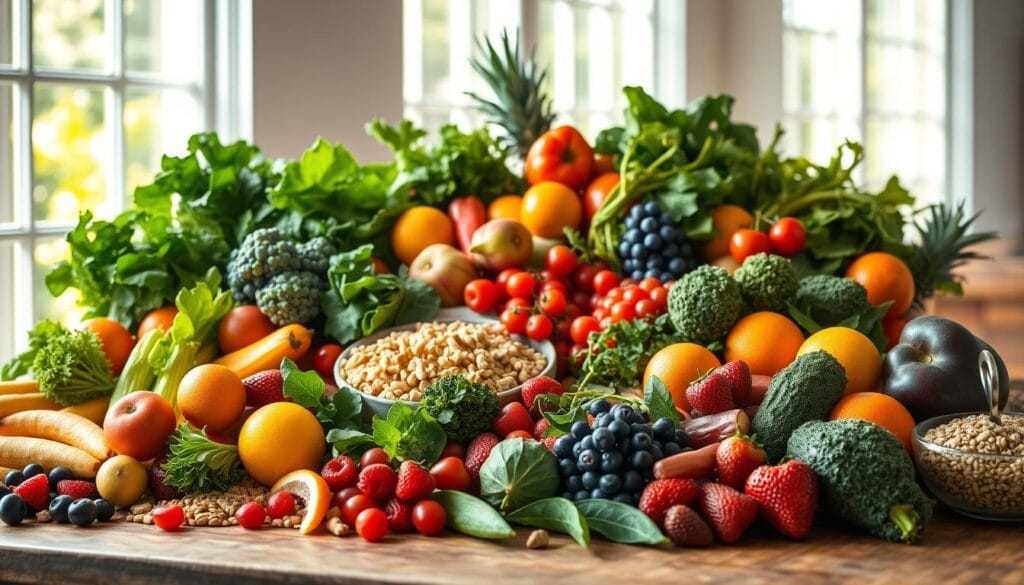
- Eat a variety of colorful vegetables to ensure a range of nutrients.
- Incorporate lean proteins like chicken, fish, and tofu into your meals.
- Choose whole grains over refined grains for more fiber and nutrients.
My Morning Routine: Hydration Before Anything Else
Hydration is key in my morning routine. It helps me start the day right. Drinking enough water supports my weight loss and health.
The Benefits of Starting With Water
Drinking water first thing boosts my metabolism. It also rehydrates my body after sleep. Even a little dehydration can make me tired, give me headaches, and make it hard to focus.
So, I make sure to drink water first. It helps my body work its best.
My Favorite Morning Drinks
Water is my go-to, but I also like other low-calorie drinks. Herbal teas like peppermint or chamomile are good choices. They hydrate without extra calories.
Now and then, I have green tea. It’s not just hydrating; it’s also full of antioxidants.

By focusing on hydration, I keep a healthy eating habit. It also helps with my weight loss meal plan.
Breakfast: Fuel for an Energetic Day
Starting your day with a nutritious breakfast is key for energy and weight loss. It kickstarts your metabolism, giving you the fuel for morning tasks and keeping you focused all day.
Quick Protein-Packed Options
For busy weekdays, quick and protein-rich breakfasts are a must. Try Greek yogurt with berries and nuts, scrambled eggs with spinach, or a protein smoothie with banana and almond milk. These options boost your protein and keep you full until lunchtime.
Weekend Breakfast Recipes That Support Weight Loss
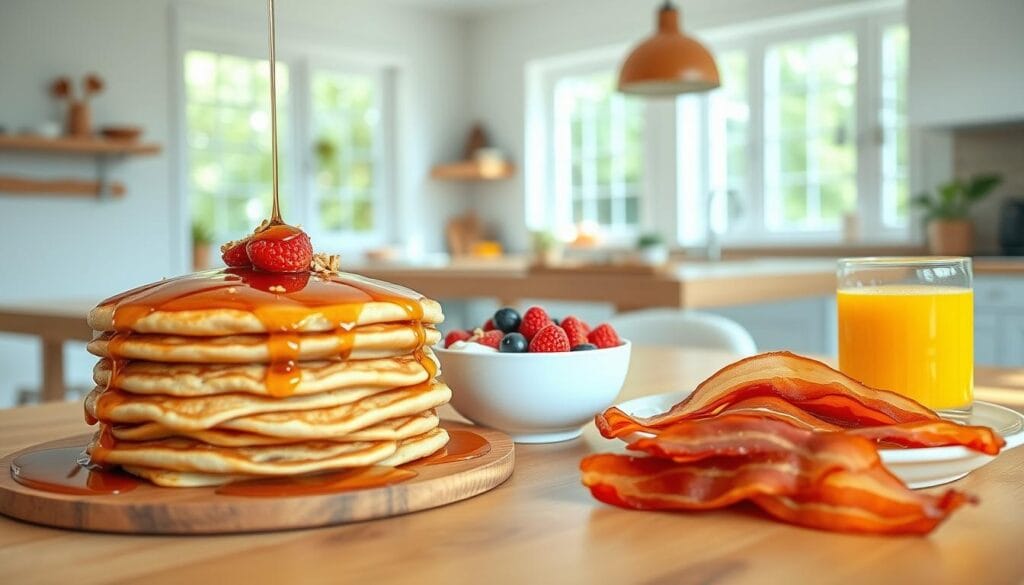
Weekends are perfect for trying elaborate breakfasts that aid in weight loss. Make overnight oats with fruit and nuts, or whole-grain pancakes with fresh berries and Greek yogurt. These recipes are tasty, nutritious, and keep you satisfied, helping you stay on track.
Mid-Morning Snacks That Prevent Overeating
Choosing the right snacks in the morning is key to staying full and losing weight. Snacks that are full of nutrients but low in calories are best. They help change your eating habits for the better.
Snacking isn’t just about stopping hunger. It’s also about giving your body the nutrients it needs to stay energized. Healthy snacking helps you feel full until your next meal, preventing overeating.
Portable Snack Ideas Under 150 Calories
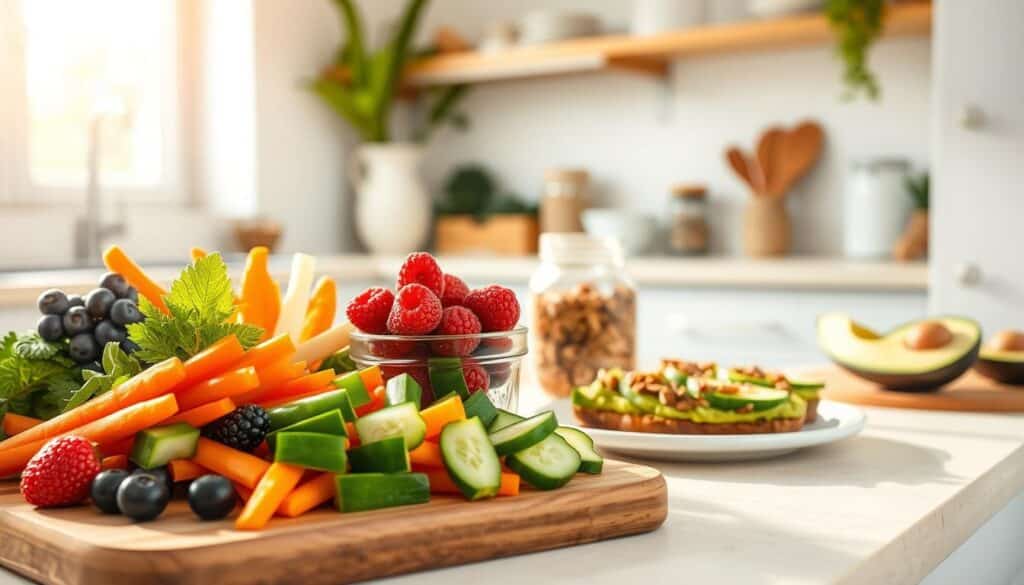
For those always on the move, having portable snacks is a must. Here are some great options under 150 calories:
- Fresh fruits like apples or oranges
- A handful of nuts such as almonds or walnuts
- Energy balls made from oats, nuts, and dried fruits
- Low-fat yogurt or cottage cheese packs
How I Handle Hunger Between Meals
Managing hunger is essential for weight loss success. Choosing the right snacks is important. Also, staying hydrated is key because thirst can feel like hunger. Drinking water helps control hunger.
Snacks high in protein and fiber also help you feel full longer. Try carrot sticks with hummus or a small trail mix with nuts and dried fruits.
Lunch: Balanced Meals That Keep Me Satisfied
Lunch is key for feeling full and helping with weight loss. A good lunch has protein, healthy fats, and complex carbs. These keep energy up and stop snacking.
My Go-To Lunch Formula
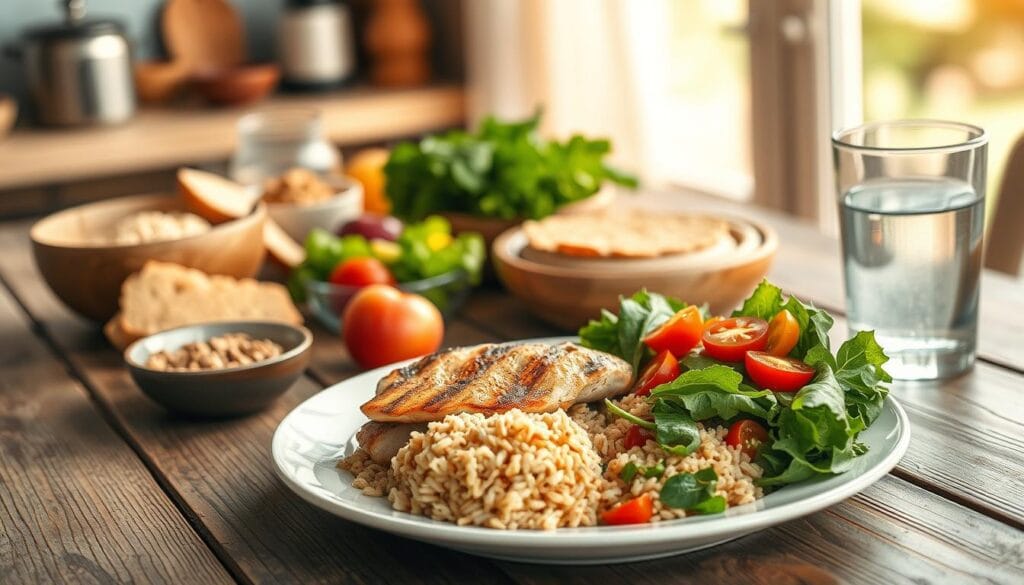
I make my lunch simple. I add lean protein, healthy fats like nuts or avocado, and complex carbs like whole grains or veggies. For instance, a salad with grilled chicken, almonds, and citrus vinaigrette, plus quinoa, is a nutritious and filling meal.
- Lean protein sources: chicken, fish, tofu
- Healthy fats: avocado, nuts, seeds
- Complex carbohydrates: whole grain wraps, quinoa, brown rice
Meal Prep Strategies for Busy Weekdays
For quick, healthy lunches on weekdays, I use meal prep. Cooking meals ahead saves time and promotes better choices. I cook grains and proteins on weekends and pack lunches for the week. This is a big part of my weight loss meal plan, keeping me on track even when I’m busy.
Some top healthy lunch ideas for me are whole grain wraps with lean turkey and avocado, and quinoa bowls with roasted veggies and citrus dressing. These balanced meals taste great and help me stay healthy and on track with my weight loss goals.
Afternoon Energy Boosters Without the Crash
Feeling tired in the afternoon is normal, but there are healthy ways to stay energized. Keeping your energy up is key for being productive and feeling good. Choose snacks and drinks that give you a boost without making you crash later.
Smart Snacking for the 3 PM Slump
Smart snacking is a great way to fight the afternoon slump. Eating protein with complex carbs makes you feel full and happy. Try apple slices with almond butter or a small Greek yogurt with berries. These snacks are tasty and give you lasting energy.
Hydration Options Beyond Plain Water
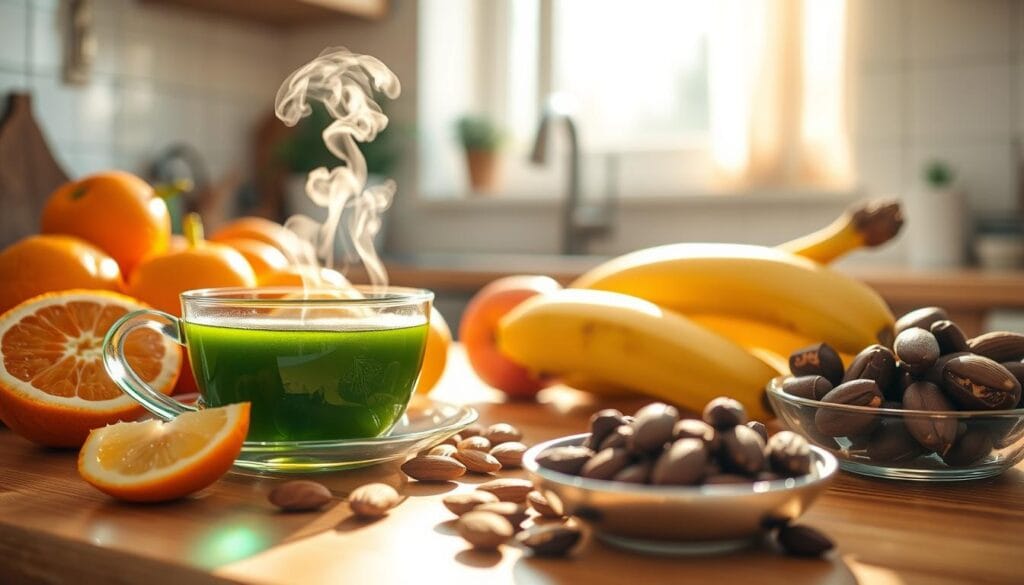
Drinking enough water is also vital for energy. While water is always a good pick, there are other hydration options to try. Herbal teas like peppermint or chamomile are refreshing. Infused water with fruits or cucumber adds flavor without extra calories.
Adding these healthy snacking and hydration tips to your day can help you avoid energy crashes. This way, you can keep working towards your weight loss tips and health goals.
Dinner: Nutritious Evening Meals That Support Weight Loss
Healthy dinner ideas are key for those trying to lose weight. A good dinner helps with weight loss and keeps you healthy.
Portion Control Techniques I Swear By
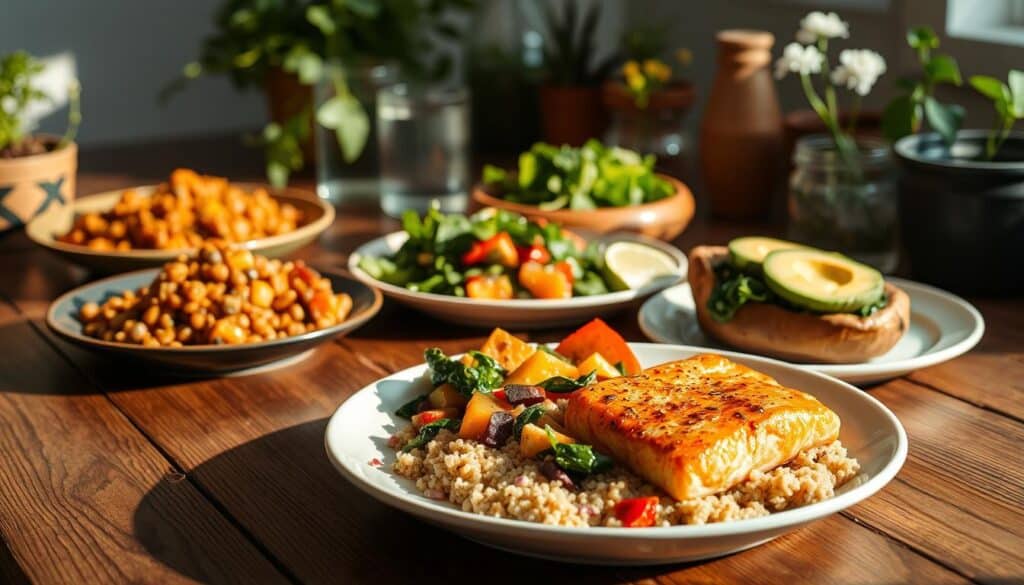
Portion control is vital for a weight loss-friendly dinner. Eating the right amount helps you stay in a calorie deficit without feeling hungry. I fill half my plate with veggies, a quarter with lean protein, and the last quarter with whole grains.
Family-Friendly Recipes That Don’t Feel Like “Diet Food”
Getting your family to eat healthy can be fun with the right recipes. My top picks include grilled salmon with veggies and quinoa bowls with lean protein. These meals are tasty and good for you, making them great for everyone.
How I Handle Dining Out Without Derailing Progress
Dining out can be tough when you’re trying to lose weight. But, it’s doable. I pick restaurants with healthy options, choose grilled or baked dishes, and control my portions by sharing or taking leftovers home.
By using these tips, I can enjoy healthy meals that help me reach my weight loss goals without feeling limited.
Evening Habits: Managing Cravings and Nighttime Hunger
The evening can be tough for those on a weight loss plan. It’s key to find ways to stop cravings. Our evening routines and habits play a big role in managing hunger and staying on track with weight loss goals.

Satisfying Sweet Tooth Cravings Healthfully
Evening cravings for sweets can be a big challenge. Choosing healthier options like fruit or dark chocolate is a smart move. These choices not only curb cravings but also offer health benefits.
Fruit is full of fiber and antioxidants. Dark chocolate has flavonoids that are good for the heart. These foods satisfy sweet cravings while being good for you.
The Cut-Off Time That Works for My Body
Setting a cut-off time for eating is vital. By picking a time, like 7 or 8 PM, you train your body to avoid late-night snacks. This helps digestion and prepares your body for sleep.
It’s about finding a balance that fits your life and sticking to it. By doing this, you can manage evening cravings and hunger better, helping your weight loss journey.
Overcoming Common Challenges on My Weight Loss Journey
My weight loss journey has had its ups and downs. I’ve found creative ways to deal with challenges and stay flexible. It’s not always easy, but I’ve learned to face common obstacles head-on.
Dealing With Social Situations and Food Pushers
Social events often center around food, making it hard to stick to my diet. Being prepared helps a lot. I eat a healthy meal before going out to avoid temptation.
I also say no to unhealthy foods by suggesting other activities or saying I’m full. When people try to push food on me, I’m firm but friendly. I explain I’m on a specific diet without feeling like I need to justify it.
Bouncing Back After an Off Day
Having an off day or treating myself doesn’t stop my weight loss journey. I acknowledge the setback and start again at the next meal. Being kind to myself helps me avoid a chain of unhealthy choices.
By focusing on progress, not perfection, I keep a positive outlook. This helps me keep moving forward.
Adjusting My Plan During High-Stress Periods
Stress can affect my eating and weight loss. To manage stress, I use techniques like meditation, deep breathing, or short walks. I also plan my meals ahead to avoid unhealthy, high-calorie foods.
Being proactive and adjusting my plan for stressful times helps me stay on track. It also keeps my overall well-being in check.
Weekly Meal Planning: How I Stay Consistent
Weekly meal planning is key to a healthy diet. I spend a few hours each week planning and preparing meals. This helps me make better choices and avoid unhealthy last-minute decisions.
Good meal planning is more than just picking meals. It also means making a shopping list and preparing food. A good shopping list ensures I have all I need for healthy meals without extra trips to the store.
Shopping List Essentials
A good shopping list is the heart of meal planning. It keeps me from buying things I don’t need and helps me stay on track. My list includes fresh veggies, lean proteins, whole grains, and healthy fats.
I always have leafy greens like spinach and kale. I also make sure to have lean proteins like chicken breast and salmon.
Batch Cooking for Effortless Healthy Eating
Batch cooking is another big part of my plan. Cooking big batches on weekends or one day a week saves time. It means I always have a healthy meal ready.
By using a thoughtful shopping list and batch cooking, I keep my diet healthy and consistent. This method helps me reach my weight loss goals and makes my daily life easier.
Conclusion: Creating Your Own Sustainable Weight Loss Eating Plan
Creating a personalized eating plan is key to lasting weight loss. It involves healthy habits and meal planning that fit your life and tastes.
A good weight loss meal plan should include foods rich in nutrients, control portions, and balance macronutrients. This way, you can keep a healthy calorie deficit without feeling left out.
Start by thinking about your daily routine, dietary needs, and what you like to eat. Use the meal and snack ideas from this article as a guide. Then, make them fit your own needs.
With a sustainable eating plan, you can reach your weight loss goals and keep a healthy weight for good. Focus on building healthy eating habits. This will lead you to a more balanced and nutritious diet.